

On this page
What is Plant Finance for Businesses? Types of Plant Finance Available Eligibility Criteria Credit Rating & Plant Finance Options Benefits of Leasing vs Buying Interest Rates & Loan Terms Age & Condition Influence Finance Choosing the Right Finance Tax Benefits Depreciation & Cost of Finance Challenges Faced in Securing Finance Improving Chances of Approval Trends in Financing Sustainable Equipment Future Outlook for the Plant Finance Bottom LinePlant Finance
Plant finance plays a crucial role in enabling businesses, particularly in construction, manufacturing, and agriculture, to acquire the necessary equipment and machinery required for their operations. Given the high cost of plant equipment, having access to flexible financing options is vital for businesses looking to grow while managing their cash flow effectively. Understanding the available finance solutions, eligibility criteria, and market trends can help businesses make informed decisions that align with their operational needs and long-term goals.
We explore various aspects of plant finance, including types of finance options, eligibility requirements, and trends in sustainable equipment financing.
Let’s get started.
What is Plant Finance for Businesses?
Plant Finance meaning
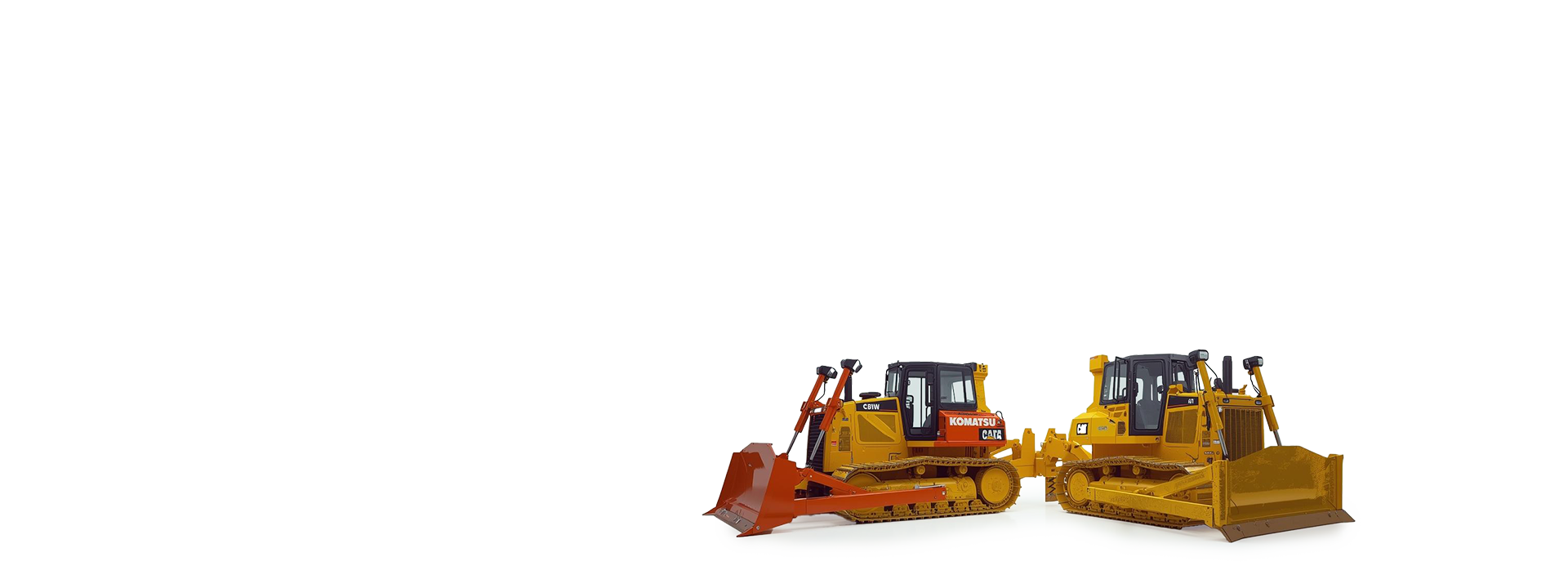
Plant finance refers to the range of financial solutions available to businesses for acquiring heavy machinery, equipment, and tools—collectively referred to as "plant"—used in industries such as construction, mining, agriculture, and manufacturing.
Plant equipment can be expensive, and businesses often rely on finance options such as loans, leasing, or hire purchases to spread the cost over time, rather than making large upfront investments.
Plant finance and asset finance allow businesses to access the equipment they need to operate efficiently while preserving cash flow for other business-critical expenses, such as payroll, raw materials, or expansion projects.
What Types of Plant Finance Are Available?
There are several key types of plant finance available to businesses, each suited to different financial and operational needs:
- Hire Purchase (HP): With hire purchase, businesses pay an initial deposit followed by fixed monthly instalments over an agreed term. Ownership of the equipment transfers to the business after the final payment.
- Finance Lease: A finance lease allows businesses to use the equipment for most of its useful life without owning it. The business pays instalments over time and has the option to extend the lease or return the equipment at the end.
- Operating Lease: In an operating lease, the business rents the equipment for a shorter period, typically returning it at the end of the lease term. This option is ideal for businesses with short-term equipment needs.
- Asset Refinance: For businesses that already own equipment, asset refinance allows them to release the capital tied up in these assets by borrowing against their value while continuing to use the equipment.
- Business Loans: A straightforward business loan is taken to purchase plant equipment outright, giving the business immediate ownership while repaying the loan in instalments.
Each finance option offers different advantages depending on whether the business prioritises ownership, flexibility, or short-term use.
How Does Plant Finance Differ From Other Business Financing?
Plant finance differs from other forms of business financing in several ways:
- Asset-Specific Focus: Unlike general business loans, plant finance is specifically tailored for purchasing or leasing heavy equipment, which often requires higher capital outlay and longer financing terms.
- Collateral: Plant equipment typically serves as collateral for the finance, which can lead to lower interest rates compared to unsecured business loans.
- Higher Costs: Plant equipment, due to its size and complexity, is generally more expensive than other business assets like vehicles or office equipment, requiring more specialised finance solutions with flexible payment terms.
- Depreciation: The rapid depreciation of plant equipment must be factored into finance agreements, influencing the overall cost and repayment structure.
Plant finance is designed to meet the specific needs of businesses that require large, expensive machinery to operate, offering tailored solutions that reflect the asset's value and use.
What Are the Eligibility Criteria for Plant Finance?
To qualify for plant finance, businesses must meet certain eligibility criteria, which can vary between lenders. Typical requirements include:
- Business Registration: The applicant must be a registered business, such as a limited company, partnership, or sole trader. Documentation proving business registration may be required.
- Credit Rating: Lenders will evaluate the business’s credit history and, in some cases, the personal credit history of the business owner, especially for small or new businesses.
- Financial Health: Financial statements, such as profit and loss accounts, balance sheets, and tax returns, are typically required to demonstrate the business’s ability to meet regular payments.
- Business Purpose: The plant equipment must be used for commercial purposes, and lenders may request details on how the equipment will be used to ensure it aligns with the business’s operations.
- Down Payment: Some finance options, particularly hire purchase, may require an initial deposit, usually a percentage of the equipment’s total cost.
Meeting these criteria helps businesses secure better financing terms and increases the likelihood of approval.
How Does Credit Rating Impact Plant Finance Options?
A business’s credit rating plays a significant role in determining its access to plant finance and the terms offered:
- Good Credit Rating: Businesses with strong credit histories are likely to secure better interest rates, longer repayment periods, and higher borrowing limits.
- Poor Credit Rating: Businesses with limited or poor credit history may still be able to access finance, but they are likely to face higher interest rates, shorter loan terms, or the need to provide additional collateral.
- Alternative Financing: Some lenders offer financing solutions specifically for businesses with poor credit, but these often come with stricter terms and may require personal guarantees from the business owner.
Improving and maintaining a healthy credit rating is essential for businesses looking to secure favourable terms for asset finance, excavator finance, or dumper finance.
What Are the Benefits of Leasing vs Buying Plant Equipment?
The decision between leasing and buying plant equipment depends on a variety of factors, including the business’s financial situation and operational needs.
Here are the key benefits of each option:
Leasing Plant Equipment:
Advantages:
- Lower Upfront Costs: Leasing requires little or no initial deposit, making it easier for businesses with limited capital to access equipment like cranes or JCBs.
- Regular Upgrades: Leasing allows businesses to upgrade equipment at the end of the lease term, ensuring access to the latest technology and improved efficiency.
- Maintenance Coverage: Many lease agreements include maintenance and servicing, reducing the burden of repairs and upkeep.
- Flexibility: Leasing offers flexibility, especially for businesses with short-term or project-based equipment needs, such as dumper finance for a construction project.
Disadvantages:
- No Ownership: The business does not own the equipment at the end of the lease term, meaning it cannot sell or continue using it without extending the lease.
- Higher Long-Term Costs: Leasing may result in higher long-term costs compared to buying, especially if the equipment is needed for an extended period.
Buying Plant Equipment:
Advantages:
- Full Ownership: Once the loan or hire purchase agreement is completed, the business owns the equipment outright, which can be an asset on the balance sheet.
- No Restrictions: There are no restrictions on how long or how intensively the equipment can be used, making it ideal for businesses with heavy usage needs.
- Resale Value: The business can sell the equipment later and recoup some of the investment, especially if the equipment retains its value well.
Cons
Disadvantages:
- Higher Upfront Costs: Buying typically requires a larger initial investment or higher monthly payments compared to leasing.
- Depreciation: The business bears the full cost of depreciation, which can significantly reduce the resale value over time.
How Do Interest Rates and Loan Terms Affect Plant Finance?
Interest rates and loan terms are critical factors that impact the total cost of plant finance:
- Interest Rates: Lower interest rates reduce the overall cost of borrowing, while higher rates increase the total amount repaid over time. Fixed interest rates offer predictability, while variable rates may fluctuate based on market conditions.
- Loan Terms: Longer loan terms result in lower monthly payments but can increase the overall cost due to the accumulation of interest. Shorter loan terms reduce total interest paid but come with higher monthly payments.
Businesses need to evaluate the interest rate and loan term carefully to ensure they choose an option that aligns with their cash flow and financial planning.
How Does the Age and Condition of Plant Equipment Influence Financing?
The age and condition of the plant equipment being financed have a significant impact on the terms and availability of finance:
- New Equipment: Financing new equipment generally offers more favourable terms, including lower interest rates and longer loan terms. Lenders view new equipment as lower risk because it is less likely to require repairs and retains its value better.
- Used Equipment: Used plant equipment can still be financed, but lenders may charge higher interest rates or require shorter loan terms due to the increased risk of depreciation and maintenance costs. In some cases, a higher deposit may be required.
- Equipment Condition: Lenders will assess the condition of the equipment, including its age, mileage (for mobile equipment), and service history. Equipment in poor condition may be more difficult to finance or come with less favourable terms.
Businesses should weigh the cost savings of purchasing used equipment against the potential higher financing costs and long-term maintenance expenses.
Key takeaways
How Can Businesses Choose the Right Plant Finance Option?
Choosing the right plant finance option requires businesses to consider several key factors:
- Cash Flow: Determine how much the business can afford in terms of upfront payments and ongoing instalments. Leasing might be a better option for those with tight cash flow, while hire purchase suits those who can manage higher monthly payments.
- Long-Term Equipment Needs: If the equipment is required for a long-term project or ongoing operations, buying through hire purchase or a loan may be more cost-effective. Leasing may be preferable for businesses with short-term or project-based equipment needs.
- Maintenance: Leasing agreements often include maintenance, making it a good option for businesses that want to avoid the operational burden of repairs. If the business has its own maintenance capacity, buying may be the better option.
- Tax Implications: Consider how different finance options impact the business’s tax liabilities, including capital allowances and VAT recovery.
- Equipment Use: High-usage industries may prefer ownership to avoid usage restrictions common in lease agreements.
What Are the Tax Benefits of Plant Finance for Businesses?
Financing plant equipment can offer several tax benefits for businesses:
- Lease Payments: Monthly lease payments are typically tax-deductible as an operating expense, reducing taxable profits.
- Capital Allowances: Businesses that purchase equipment through hire purchase or a loan may be able to claim capital allowances, which allow them to deduct the depreciation of the equipment from their taxable profits.
- VAT Recovery: VAT-registered businesses can usually reclaim the VAT on plant equipment purchases or lease payments, lowering the overall cost.
These tax benefits can significantly reduce the financial burden of acquiring plant equipment, making it more affordable for businesses to invest in necessary assets.
How Does Depreciation Affect the Cost of Plant Finance?
Depreciation is a key factor in determining the overall cost of plant finance, especially for businesses that purchase equipment:
- Ownership Models: In hire purchase or loan agreements, the business bears the depreciation cost. As the equipment loses value over time, its resale price decreases, impacting the business’s return on investment.
- Leasing Models: Depreciation is factored into the lease payments, with equipment that depreciates quickly leading to higher monthly costs. However, the business does not bear the full depreciation cost under a lease.
- Residual Value: The equipment’s residual value—the value at the end of the finance term—affects both leasing and ownership models. Higher residual values lower lease payments and increase the potential resale value.
Selecting equipment with strong residual values and minimal depreciation can help businesses manage finance costs effectively.
What Challenges Do Businesses Face in Securing Plant Finance?
Businesses can encounter several challenges when trying to secure plant finance:
- Poor Credit History: A weak credit profile can limit financing options, leading to higher interest rates or stricter terms.
- High Upfront Costs: Some finance agreements, particularly hire purchases, require significant upfront payments, which can strain cash flow.
- Rapid Depreciation: Equipment that depreciates quickly is seen as higher risk by lenders, leading to more stringent financing terms.
- Complex Documentation: The paperwork required to secure large equipment financing can be overwhelming, particularly for smaller businesses without extensive financial records.
Being prepared with strong financials and a clear plan for equipment use can help businesses overcome these challenges.
How Can Businesses Improve Their Chances of Approval for Plant Finance?
Businesses can improve their chances of securing plant finance by taking several proactive steps:
- Strengthen Credit Scores: Ensuring timely payments on existing debts and reducing overall debt levels will improve the business’s creditworthiness.
- Prepare Financial Statements: Up-to-date financial records, including tax returns and profit and loss accounts, help demonstrate the business’s ability to repay the loan.
- Offer a Larger Deposit: Providing a higher down payment reduces the lender’s risk, increasing the chances of approval and potentially securing better terms.
- Work With a Guarantor: If the business’s credit is insufficient, securing a guarantor can help improve approval prospects.
These steps help build a strong case for approval, making it easier to secure plant finance with favourable terms.
What Are the Trends in Financing Sustainable and Energy-Efficient Plant Equipment?
With increasing environmental regulations and the push for sustainability, there is a growing trend toward financing sustainable and energy-efficient plant equipment. Key trends include:
- Green Finance Options: Lenders are offering special financing packages for businesses investing in energy-efficient or low-emission equipment. These packages often come with lower interest rates and longer repayment terms.
- Government Incentives: Many governments offer tax breaks, grants, or subsidies for businesses purchasing energy-efficient equipment, helping to reduce the overall cost of financing.
- Sustainability Goals: As businesses focus on reducing their environmental impact, demand for sustainable plant equipment is rising, driving the development of finance solutions that support green investments.
Investing in sustainable equipment can also reduce operational costs over time, thanks to lower energy consumption and maintenance expenses.
What Is the Future Outlook for the Plant Finance Market?
The future of plant finance looks promising, with several key trends shaping the market:
- Increased Demand for Infrastructure: Global infrastructure projects and construction activities are expected to drive demand for plant equipment finance, particularly as economies recover from the pandemic.
- Sustainability and Energy Efficiency: The shift toward sustainable practices will continue to influence the types of equipment businesses finance, with more focus on low-emission and energy-efficient machinery.
- Flexible Financing Models: Subscription-based models, shorter-term leasing, and flexible finance packages are likely to gain traction, offering businesses more adaptability in how they acquire and manage plant equipment.
- Technological Advancements: Financing agreements are expected to increasingly include telematics and other digital solutions that allow businesses to monitor equipment performance and optimise costs.
Overall, businesses that leverage innovative and flexible financing solutions will be well-positioned to meet future operational demands and sustainability goals.
Bottom Line
Plant finance provides businesses with essential tools to acquire the heavy equipment needed for growth and efficiency.
Whether through leasing, hire purchase, or loans, plant finance offers flexibility in managing capital, reducing operational costs, and staying competitive. As the market evolves—particularly with a focus on sustainability and digital integration—businesses that take advantage of these financing trends will be better equipped to succeed in an increasingly complex and environmentally conscious world.
