On this page
What is Excavator Finance? Types of Finance Available Eligibility Requirements Credit Rating & Finance Options Benefits of Leasing vs Buying Interest Rates & Loan Terms Condition & Age Influence on Finance Choose the Right Finance Option Tax Implications Depreciation & Finance Costs Challenges in Securing Finance Improve Approval Chances Finance Electric & Hybrid Financing Trends Future Outlook for Excavator Finance Bottom LineExcavator Finance
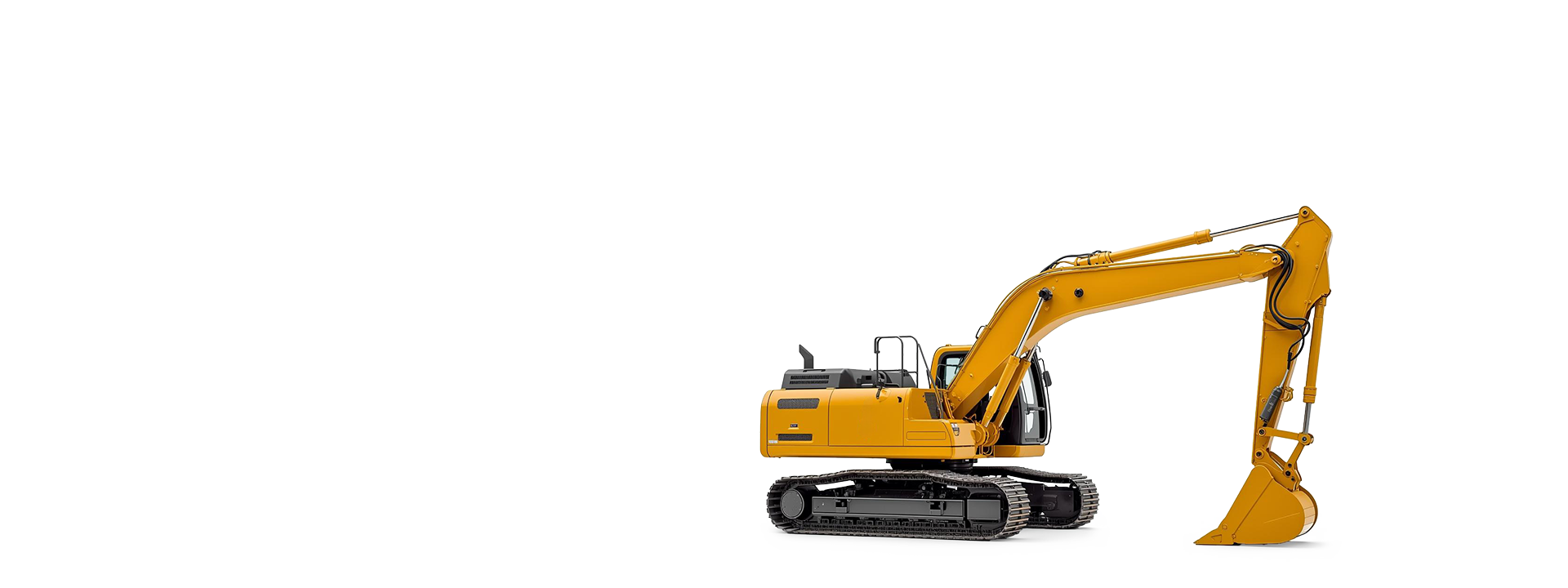
Excavator finance provides businesses with the financial flexibility to acquire heavy machinery without the need for large upfront payments. Excavators are essential for construction, mining, and infrastructure projects, but their high cost can strain a company’s capital. Through various financing options, businesses can spread the expense over time, allowing them to manage cash flow while accessing the equipment they need to complete their projects efficiently.
We explore the different types of excavator finance available, the benefits of leasing versus buying, and the factors that influence financing decisions.
Let’s get started.
What is Excavator Finance?
Excavator Finance meaning
Excavator finance refers to the financial products designed to help businesses acquire excavators by spreading the cost over a set period rather than making a single large payment.
Excavators are essential for tasks such as digging, earthmoving, demolition, and site preparation, and their high cost can be prohibitive for many companies. Financing options such as leasing, hire purchase, or loans enable businesses to access these machines while managing their cash flow effectively.
As part of plant finance, excavator finance offers the flexibility to rent equipment for a fixed period or purchase it through instalments, ensuring capital is preserved for other operational needs.
What Types of Excavator Finance Are Available?
Several types of excavator finance are available to cater to different business needs and financial structures. The most common options include:
- Hire Purchase (HP): The business pays for the excavator in monthly instalments over a set period during a hire purchase. Ownership transfers to the business once the final payment is made, making this option suitable for businesses that want long-term ownership of the asset.
- Finance Lease: The lender owns the excavator, and the business leases it for most of its useful life. At the end of the finance lease, the business can choose to continue leasing, upgrade the equipment, or return it.
- Operating Lease: The business rents the excavator for a shorter period, with maintenance often included. The equipment is returned at the end of the operating lease, with no option to buy.
- Asset Refinance: Asset refinance allows businesses to release equity from equipment they already own by refinancing the excavator and using the funds for other needs.
- Contract Hire: Contract hires are long-term rental agreements that include fixed monthly payments, typically covering maintenance and servicing, with the excavator returned at the end of the contract.
These options provide flexibility in managing payments, ownership, and maintenance responsibilities, allowing businesses to select the solution that best suits their operational and financial goals.
How Does Excavator Finance Differ from Other Equipment Finance?
Excavator finance differs from standard equipment finance due to the specialised nature and high cost of excavators.
3 Key differences include:
- Higher Loan Amounts: Excavators are high-value assets, so the financing typically involves larger loan amounts and longer repayment terms compared to other types of equipment.
- Specific Industry Use: Excavators are primarily used in construction, mining, and infrastructure projects, meaning finance agreements are often tailored to the unique cash flow and operational demands of these industries.
- Seasonal Payment Flexibility: Some finance options for excavators may offer seasonal payments that align with the cash flow fluctuations typical in the construction industry.
These differences make excavator finance more specialised, requiring lenders to offer flexible terms that match the high cost and long-term use of the machinery.
What Are the Eligibility Requirements for Excavator Finance?
To qualify for excavator finance, businesses must meet certain eligibility criteria.
These requirements vary by lender but generally include the following 5 points:
- Credit Score: A good credit score is essential for securing finance on favourable terms. Businesses with a strong credit history are more likely to be approved for financing.
- Financial Stability: Lenders will typically request financial statements, including profit and loss accounts, balance sheets, and cash flow forecasts, to assess the business’s financial health and ability to repay the loan.
- Business History: Most lenders prefer businesses with an established trading history of at least one to two years, although start-ups may qualify under specific conditions.
- Down Payment: Some finance options, such as hire purchase, may require an initial deposit, which could influence the terms of the agreement.
- Asset Value: The value of the excavator being financed serves as collateral for the loan, which affects the terms and the approval process.
Meeting these criteria improves the likelihood of securing excavator finance with favourable terms and competitive interest rates.
How Does Credit Rating Impact Excavator Finance Options?
A business’s credit rating significantly influences the terms and conditions of excavator finance. Lenders use credit scores to evaluate the risk of lending, with a higher score generally leading to better finance terms.
Impact of Credit Rating on Excavator Finance:
- Interest Rates: A high credit score allows businesses to access lower interest rates, reducing the overall cost of financing. Conversely, businesses with lower credit scores may face higher rates.
- Loan Approval: Strong credit increases the likelihood of approval, while businesses with poor credit histories may find it harder to secure finance or may be required to offer a larger deposit.
- Loan Flexibility: Higher credit scores provide access to more flexible terms, such as longer repayment periods, larger loan amounts, or tailored payment plans.
Improving credit scores before applying for excavator finance can significantly reduce the cost of borrowing and increase the chances of approval.
What Are the Benefits of Leasing vs Buying an Excavator?
Businesses must decide whether to lease or buy an excavator, and each option has distinct advantages depending on the company’s financial situation and long-term goals.
Benefits of Leasing:
- Lower Initial Costs: Leasing requires a smaller upfront payment compared to buying, preserving cash flow for other operational needs.
- Regular Upgrades: Leasing allows businesses to upgrade their equipment at the end of the lease term, ensuring access to the latest technology and features.
- Maintenance Included: Many leasing agreements include maintenance and servicing, reducing the risk of unexpected repair costs.
- No Depreciation Risk: The leasing company absorbs the depreciation, so the business does not have to worry about the equipment’s declining value over time.
Benefits of Buying:
- Ownership: Once the hire purchase or loan is paid off, the business owns the excavator outright, which can provide long-term value without further payments.
- No Usage Restrictions: Buying an excavator means there are no restrictions on usage, such as mileage limits or wear-and-tear clauses, which are common in leasing agreements.
- Asset Value: The excavator becomes a business asset, which can be used as collateral for future loans or sold if necessary.
The decision between leasing and buying depends on whether the business prioritises long-term ownership or prefers lower payments and flexibility.
How Do Interest Rates and Loan Terms Affect Excavator Finance?
Interest rates and loan terms have a direct impact on the total cost of excavator finance. These factors determine both the monthly payment amount and the total interest paid over the life of the loan.
Interest Rates:
- Fixed Rates: Offer predictable payments over the loan term, making budgeting easier for businesses that prefer stable, consistent costs.
- Variable Rates: Fluctuate with market conditions, offering the potential for lower payments if interest rates decrease but introducing risk if rates rise.
Loan Terms:
- Short-Term Loans: Require higher monthly payments but result in lower overall interest costs, making them a good option for businesses that can afford to pay off the excavator more quickly.
- Long-Term Loans: Lower monthly payments by spreading the cost over a longer period, but increase the total interest paid, which may suit businesses needing to conserve cash flow.
Balancing interest rates and loan terms is crucial to managing cash flow effectively and minimising the cost of excavator finance.
How Does the Condition and Age of an Excavator Influence Financing?
The condition and age of an excavator play a significant role in determining the terms of excavator finance.
Lenders evaluate these factors to assess the value of the equipment and the associated risks.
- New Excavators: Financing new excavators typically comes with lower interest rates and longer loan terms, as they are seen as lower risk due to their reliability and longer useful life.
- Used Excavators: While cheaper upfront, used excavators may come with higher interest rates and shorter loan terms, as they are more prone to breakdowns and have a lower resale value. Lenders may also require a larger deposit to offset the increased risk.
Businesses must weigh the lower cost of used equipment against the potential risks of higher maintenance and more restrictive financing terms.
How Can Businesses Choose the Right Excavator Finance Option?
Choosing the best excavator finance option requires businesses to consider several factors to ensure the arrangement aligns with their financial and operational needs:
- Budget: Determine how much the business can afford in monthly payments and whether a larger deposit is feasible to reduce the loan amount.
- Equipment Needs: Assess whether long-term ownership or the flexibility to upgrade equipment through leasing is more suitable for the business.
- Maintenance Costs: Consider whether the business has the capacity to manage maintenance in-house or if it would benefit from a finance option that includes servicing.
- Loan Terms and Interest Rates: Compare different loan terms and interest rates to find the most affordable option that fits the business’s cash flow requirements.
- Depreciation: Understand how the depreciation of the excavator will impact its resale value and the overall cost of the finance agreement.
By carefully evaluating these factors, businesses can select the most appropriate finance solution for their excavator needs.
What Are the Tax Implications of Financing an Excavator?
Financing an excavator offers several tax benefits, especially for businesses that use the equipment for operational purposes.
- Capital Allowances: Businesses can claim capital allowances on purchased equipment, allowing them to deduct a portion of the excavator’s cost from taxable profits over time.
- VAT Reclaim: VAT-registered businesses can often reclaim VAT on excavator purchases or lease payments, provided the equipment is used for business purposes.
- Tax-Deductible Payments: Lease payments can typically be treated as a business expense and deducted from taxable income, reducing the overall tax burden.
Understanding these tax benefits helps businesses maximise financial efficiency when financing an excavator.
How Does Depreciation Affect Excavator Finance Costs?
Depreciation plays a critical role in determining the overall cost of excavator finance, especially for businesses that purchase rather than lease.
- Leasing: Depreciation is less of a concern for businesses that lease equipment, as the leasing company absorbs the depreciation risk. This makes leasing a good option for high-use equipment that depreciates quickly.
- Buying: Businesses that purchase an excavator must account for depreciation, as it reduces the asset’s resale value. Depreciation affects the long-term cost of ownership and the excavator’s potential as collateral for future loans.
Understanding how depreciation impacts the value of an excavator helps businesses make more informed decisions about whether to lease or buy.
What Challenges Arise in Securing Excavator Finance?
Several challenges can arise when securing excavator finance, particularly for smaller businesses or those with limited credit history:
- Credit History: Poor or limited credit can lead to higher interest rates or difficulty securing financing.
- Large Loan Amounts: Excavators are expensive, and securing financing for such high-value equipment may require larger deposits or longer approval processes.
- Cash Flow Constraints: Businesses with inconsistent cash flow may struggle to meet monthly payments, particularly if financing is needed for multiple pieces of equipment.
Addressing these challenges early can help businesses improve their chances of obtaining excavator finance.
Key takeaways
How Can Businesses Improve Approval Chances for Excavator Finance?
To improve their chances of securing excavator finance, businesses can take the following steps:
- Improve Credit Score: Maintaining timely payments on existing loans and managing debt responsibly can boost credit scores, increasing approval chances.
- Prepare Financial Statements: Offering clear, accurate financial records demonstrates the business’s stability and its ability to meet payment obligations.
- Save for a Larger Deposit: A larger deposit reduces the lender’s risk and can result in better loan terms and interest rates.
- Consider a Guarantor: Offering a personal or business guarantor with a strong credit history can help secure financing, particularly for smaller companies or start-ups.
By proactively managing financials, businesses can increase their likelihood of obtaining excavator finance on favourable terms.
What Are the Trends in Financing Electric and Hybrid Excavators?
As environmental regulations tighten, the demand for electric and hybrid excavators is growing, leading to new trends in financing:
- Government Incentives: Many governments offer grants, subsidies, or tax breaks for businesses that finance electric or hybrid excavators, reducing the upfront cost.
- Favourable Financing Terms: Lenders are offering competitive terms for financing eco-friendly equipment due to lower operational costs and increasing demand.
- Sustainability Focus: Construction companies are increasingly financing electric and hybrid excavators to reduce their carbon footprint and meet green building standards.
These trends indicate a shift toward more sustainable financing solutions in the heavy equipment industry.
What is the Future Outlook for Excavator Finance?
The future of excavator finance is promising, with several key factors shaping the market:
- Growing Demand for Electric Equipment: As the industry moves towards more sustainable practices, the demand for financing electric and hybrid excavators is expected to rise.
- Flexible Leasing Options: More businesses are seeking flexible leasing arrangements that allow them to scale their equipment usage according to project demand.
- Technological Advancements: As excavators become more technologically advanced, financing solutions will need to adapt to accommodate the higher costs associated with cutting-edge features like automation and AI integration.
Overall, the excavator finance market is likely to continue expanding, offering businesses more tailored options to meet their operational and financial needs.
Bottom Line
Excavator finance provides businesses with the opportunity to acquire essential heavy equipment without the burden of large upfront payments.
Excavator finance, as part of asset finance and plant finance, provides businesses with the tools to access high-value equipment while managing costs effectively. Whether through leasing, hire purchase, or other finance solutions, businesses can manage their cash flow while accessing the machinery they need for construction, mining, and infrastructure projects. By understanding the impact of credit scores, interest rates, depreciation, and ownership goals, businesses can make informed decisions that align with their financial strategies. As the industry evolves, particularly with the rise of electric and hybrid excavators, excavator finance will remain a crucial tool for businesses seeking to expand their operations while managing costs effectively.
