On this page
What is Dumper Truck Finance? Types of Finance Available Eligibility Criteria Credit Rating & Finance Options Advantages of Leasing vs Buying Interest Rates & Loan Terms Age & Condition Influence Finance? Choosing the Best Finance Option Tax Implications Depreciation & Finance Costs Challenges in Securing Finance Increase Finance Approval Odds Electric & Hybrid Financing Trends Future Outlook Bottom LineDumper Truck Finance
With infrastructure development and construction projects continuously expanding, the demand for dumper trucks in the UK has grown significantly. According to recent market research, the UK’s construction equipment market is anticipated to grow at a CAGR of around 4% between 2023 and 2028, underscoring the need for financing options that make heavy machinery like dumper trucks more accessible for construction businesses. Dumper truck finance has emerged as a tailored financial solution, enabling businesses to acquire these essential vehicles without bearing the entire upfront cost.
We explore the different types of dumper truck financing available, eligibility requirements, credit rating considerations, leasing versus buying, interest rates, and trends in financing environmentally friendly models.
Let's get started.
What is Dumper Truck Finance?
Dumper Finance meaning
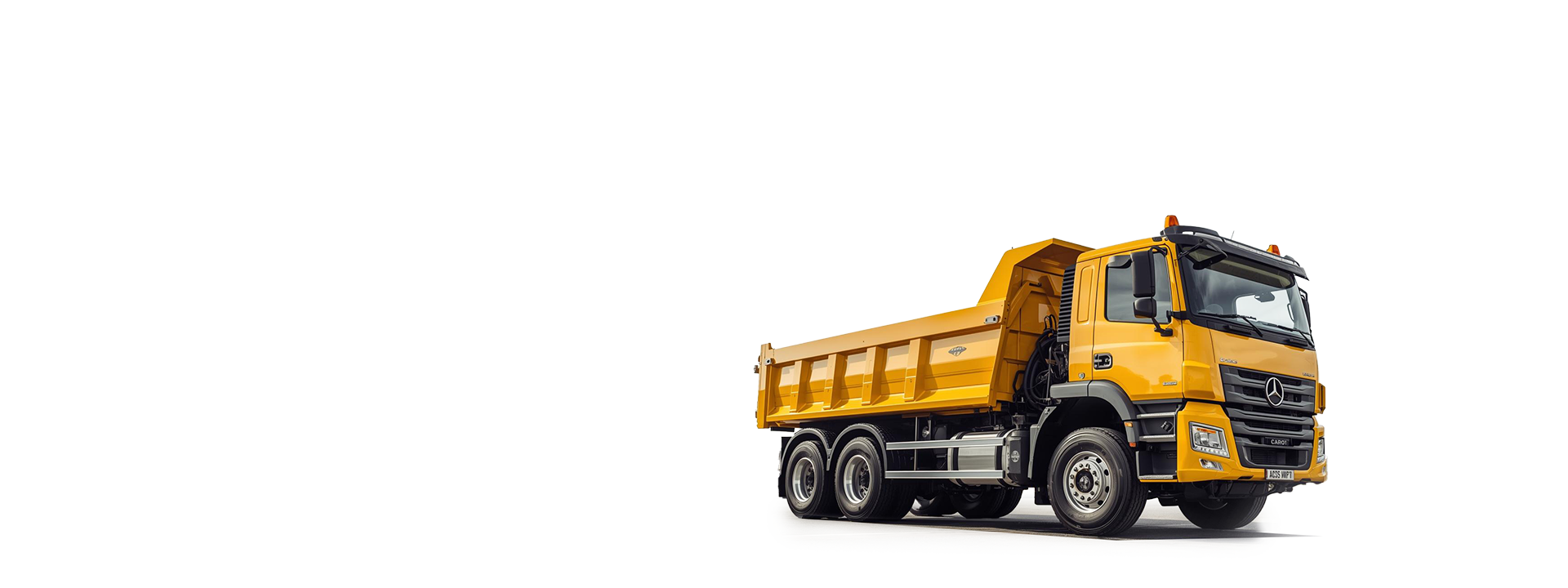
Dumper truck finance refers to a variety of financial products designed specifically to support businesses in acquiring dumper trucks or similar heavy vehicles used in construction and related industries.
Dumper truck finance helps companies obtain these essential assets without exhausting capital reserves, offering options that can be tailored to each business’s operational requirements and budget constraints. Given that dumper trucks are essential for efficient earth-moving, materials handling, and other construction activities, financing plays a crucial role in ensuring businesses remain competitive without high initial expenditure.
What Types of Dumper Truck Finance are Available?
There are several primary types of plant finance available to cater to diverse business needs and financial capacities:
- Hire Purchase (HP)
- This is one of the most straightforward options, hire purchases allow businesses to own the dumper truck at the end of the finance term. Through regular monthly payments, the truck is purchased over time, with the business gaining ownership after the final payment.
- Finance Lease
- A finance lease allows businesses to use a dumper truck without ever owning it outright. Instead, they pay a fixed monthly lease amount over the lease term. This option often includes the ability to upgrade equipment at the end of the term, making it ideal for companies looking to keep their fleet updated.
- Operating Lease
- With an operating lease, the business rents the dumper truck for a specific period. The vehicle is returned to the lender or financier after the lease term ends, with the option to renew or upgrade. Operating leases are useful for short-term projects or businesses looking to maintain flexibility.
- Contract Hire
- Contract hire involves hiring a dumper truck for a set period under fixed monthly payments. This arrangement typically includes maintenance and insurance, allowing businesses to operate without worrying about these extra costs.
How Does Dumper Truck Finance Differ from Other Vehicle Finance?
Dumper truck finance differs from general vehicle finance in several critical ways. Dumper trucks are specialised equipment, making their financing requirements and asset depreciation patterns distinct.
- Higher Loan Amounts: Dumper trucks typically involve larger financing amounts due to their high cost, requiring tailored payment structures and longer terms.
- Increased Wear and Tear: Construction equipment endures demanding use, leading to faster depreciation, which lenders account for when determining terms.
- Specialised Risk Assessments: Lenders evaluate operational risk, project scope, and cash flow stability more rigorously than for standard vehicle loans.
These factors make dumper truck finance a specialised component of asset finance solutions.
What Are the Eligibility Criteria for Dumper Truck Finance?
To qualify for dumper truck finance, businesses generally need to meet specific criteria:
- Business Age and Stability
- Lenders usually prefer to work with businesses that have a track record, often at least two to three years of operation. However, options for newer businesses can sometimes be available, though at different terms.
- Financial Statements
- A solid financial history can improve eligibility, particularly where businesses can demonstrate stable cash flow, reasonable debt levels, and profitability.
- Credit Rating
- A healthy credit score remains a significant factor in determining the availability of finance options and favourable interest rates.
- Asset Use and Project Scope
- Lenders often look at how the dumper truck will be used and the scale of the projects on which it will operate, as these factors can impact the asset’s resale value.
How Does Credit Rating Affect Dumper Truck Finance Options?
A business’s credit rating is instrumental in determining eligibility, loan terms, and interest rates for dumper truck finance.
Higher credit scores typically open access to better rates, lower monthly payments, and more favourable terms. Conversely, a low credit score might limit options, increase interest rates, or necessitate larger down payments. Some finance providers specialise in serving businesses with credit challenges, though often at higher costs.
What Are the Advantages of Leasing vs Buying a Dumper Truck?
Leasing and buying a dumper truck each offer unique advantages, often depending on the business’s cash flow and operational flexibility requirements.
Advantages of Leasing a Dumper Truck
- Lower Upfront Costs
- Leasing usually requires lower initial investment, allowing companies to conserve capital.
- Tax Benefits
- Monthly lease payments can often be tax-deductible as an operational expense.
- Flexibility to Upgrade
- Leased vehicles can be easily replaced or upgraded at the end of the lease term, keeping the fleet modern.
Advantages of Buying a Dumper Truck
- Asset Ownership
- Purchasing allows the business to fully own the vehicle, which can eventually reduce costs over time.
- Long-term Cost Efficiency
- While the upfront cost is high, outright ownership might be more cost-effective in the long run, particularly if the dumper truck is used extensively.
How Do Interest Rates and Loan Terms Impact Dumper Truck Finance?
The interest rate and loan term for dumper truck finance significantly influence the total cost of the asset over time.
Lower interest rates reduce monthly payments and overall expenses, while longer loan terms spread costs over time but may lead to higher interest accumulation. Loan terms vary by lender and business qualifications, with some finance providers offering extended terms for high-quality assets or creditworthy businesses.
How Does the Age and Condition of a Dumper Truck Influence Financing?
The age and condition of a dumper truck play a substantial role in financing, as lenders assess these factors to evaluate risk and potential resale value.
Newer vehicles often qualify for better interest rates and longer loan terms because they depreciate more slowly and are less likely to incur costly repairs. For older vehicles, financing terms might be shorter with slightly higher interest rates due to increased depreciation and maintenance risk.
How Can Businesses Choose the Best Dumper Truck Finance Option?
When selecting a dumper truck finance option, businesses should consider:
- Total Cost Over Time
- Evaluate the cumulative cost of the loan, including interest, compared to the truck’s expected lifespan and value.
- Cash Flow Needs
- Opt for terms and structures that align with the company's cash flow, ensuring monthly payments are manageable.
- Usage Requirements
- Consider how long and intensively the vehicle will be used. Leasing may be better for short-term use, while buying is preferable for long-term investment.
- Additional Services
- Some financing options include maintenance or insurance, which can be beneficial in reducing operational headaches and expenses.
What Are the Tax Implications of Financing a Dumper Truck?
The tax implications of dumper truck finance can vary depending on the financing method:
- Lease Payments as Operating Expenses
- Monthly lease payments may be tax-deductible as operating expenses, helping to lower taxable income.
- Capital Allowances for Purchase
- When purchasing a dumper truck, businesses may be eligible to claim capital allowances, which help reduce tax liabilities by accounting for asset depreciation.
- VAT Considerations
- For VAT-registered businesses, VAT can be reclaimed on monthly payments under some lease structures, further lowering effective costs.
How Does Depreciation Affect Dumper Truck Finance Costs?
Depreciation impacts a dumper truck’s total cost of ownership and the structure of finance agreements. For instance, financing providers take depreciation into account when setting loan terms and interest rates.
Depreciation rates for heavy equipment like dumper trucks tend to be higher than for other vehicles due to intensive usage, especially in construction and excavation. As a result, lenders may impose shorter terms or require larger down payments to offset potential value loss over time. This factor is especially significant in lease agreements, where residual value—the value at the end of the lease term—is calculated based on expected depreciation. Businesses can mitigate these costs by selecting newer models or opting for lease terms aligned with the truck’s expected useful life.
What Challenges Do Businesses Face in Securing Dumper Truck Finance?
Businesses face several challenges when seeking dumper truck finance.
This is often due to factors related to the construction industry’s seasonal cash flows and the high depreciation of heavy machinery:
- High Initial Costs and Down Payments
- Dumper trucks are typically expensive, with many lenders requiring a substantial down payment to offset risk.
- Industry-Specific Financial Volatility
- Construction and infrastructure projects often follow seasonal patterns, with fluctuating revenue streams that can complicate debt servicing during low-demand periods.
- Stringent Credit Requirements
- Due to the high risk and value of the equipment, many lenders have strict credit criteria. Businesses with limited credit history may struggle to qualify for financing.
- Depreciation and Maintenance
- The heavy use of dumper trucks in demanding environments accelerates wear and depreciation, affecting the vehicle’s resale value and the terms lenders are willing to offer.
- Environmental Regulations and Shift Toward Green Equipment
- Many businesses face pressure to comply with environmental standards, creating additional financial pressure if older, less efficient equipment is already part of the fleet.
Key takeaways
How Can Businesses Improve Their Chances of Approval for Dumper Truck Finance?
Businesses can improve their chances of securing dumper truck finance by implementing the following strategies:
- Strengthen Credit Profiles
Prioritise paying down outstanding debt and maintain a good credit score. Building a solid financial track record increases financing options and improves rates.
- Prepare Financial Statements
Accurate financial records demonstrate business stability and help lenders assess risk, increasing the likelihood of approval.
- Consider Leasing Options First
For newer businesses, leasing can be a viable initial option that requires lower down payments and offers flexibility without a heavy upfront financial commitment.
- Provide a Detailed Project or Business Plan
Lenders may look more favourably on businesses with a solid plan that shows how the dumper truck will be used to generate revenue, along with repayment projections.
- Choose Equipment Wisely
Opting for newer or well-maintained equipment can improve financing terms, as newer vehicles tend to retain their value better than older models.
What Are the Trends in Financing Electric and Hybrid Dumper Trucks?
The trend toward electric and hybrid dumper trucks is growing, largely due to the UK government’s push for environmentally friendly practices in the construction and transport sectors.
Electric and hybrid options provide substantial benefits, including lower emissions, reduced fuel costs, and potential tax incentives. However, financing for electric and hybrid models remains challenging, as these vehicles often have a higher upfront cost and limited resale markets compared to traditional models.
What is the Future Outlook for Dumper Truck Finance?
The future of dumper truck finance appears dynamic, driven by technological advancements, sustainability goals, and changing industry demands. Key trends likely to shape the future include:
- Increased Green Financing Options
- The shift toward low-emission, electric, or hybrid equipment will drive lenders to offer financing options that support environmental compliance. Government incentives for sustainable construction practices are expected to further boost this trend.
- Digital Financing Platforms
- The rise of digital finance platforms is making it easier for businesses to apply for and manage their equipment loans, with some lenders offering online applications, faster approvals, and tailored financing recommendations.
- Data-Driven Lending Decisions
- Lenders are increasingly relying on data analytics and AI to assess risk and optimise loan terms. For example, real-time data on asset utilisation and maintenance history could allow lenders to offer more personalised rates.
- Flexible Financing Structures
- With more businesses seeking operational flexibility, options like finance leases, operating leases, and contract hire agreements are expected to become more prevalent. These options allow companies to scale up or down according to project demands.
- Growth in Second-Hand Market Financing
- The second-hand dumper truck market is expected to grow, especially for businesses looking to lower costs amid economic uncertainty. Financing options for used equipment are likely to expand, with lenders recognising the increased demand for affordable second-hand vehicles.
Bottom Line
Dumper truck finance is an essential resource for UK construction companies and businesses needing heavy machinery.
With options ranging from hire purchase to flexible leasing, companies can find a finance solution that aligns with their cash flow needs, project requirements, and asset preferences. The impact of factors such as credit rating, interest rates, depreciation, and environmental trends further illustrates how a strategic approach can lead to significant savings and asset value. As environmental goals shape future financing, businesses will benefit from exploring green finance options and staying adaptable to evolving lender requirements.
