
On this page
What is Machine Finance? Types of Machine Finance Available Eligibility Criteria Credit Rating & Finance Options Advantages of Leasing vs Buying Interest Rates & Loan Terms Condition & Age Influence Finance Select the Best Finance Option Tax Benefits Depreciation & Finance Costs Challenges in Securing Finance Improve Chances of Approval Advanced & Automated Financing Trends Future Outlook Bottom LineMachine Finance
In today's business landscape, financing for machinery has become a critical factor in driving growth for industries such as manufacturing, agriculture, construction, and logistics. A recent survey by the British Business Bank showed that over 40% of UK SMEs have used some form of asset finance, such as machine finance, to support their operations and investments (British Business Bank, 2023). This shows the growing reliance on finance options for capital investments, particularly machinery, to maintain competitiveness.
We explore the various aspects of machine finance, the types available, how it differs from other asset finance, eligibility criteria, the impact of credit ratings, and the decision-making process between leasing and buying. We also delve into interest rates, how machinery condition affects finance, tax benefits, depreciation impacts, trends in financing, and the future outlook.
Let's get started.
What is Machine Finance?
Machine Finance meaning
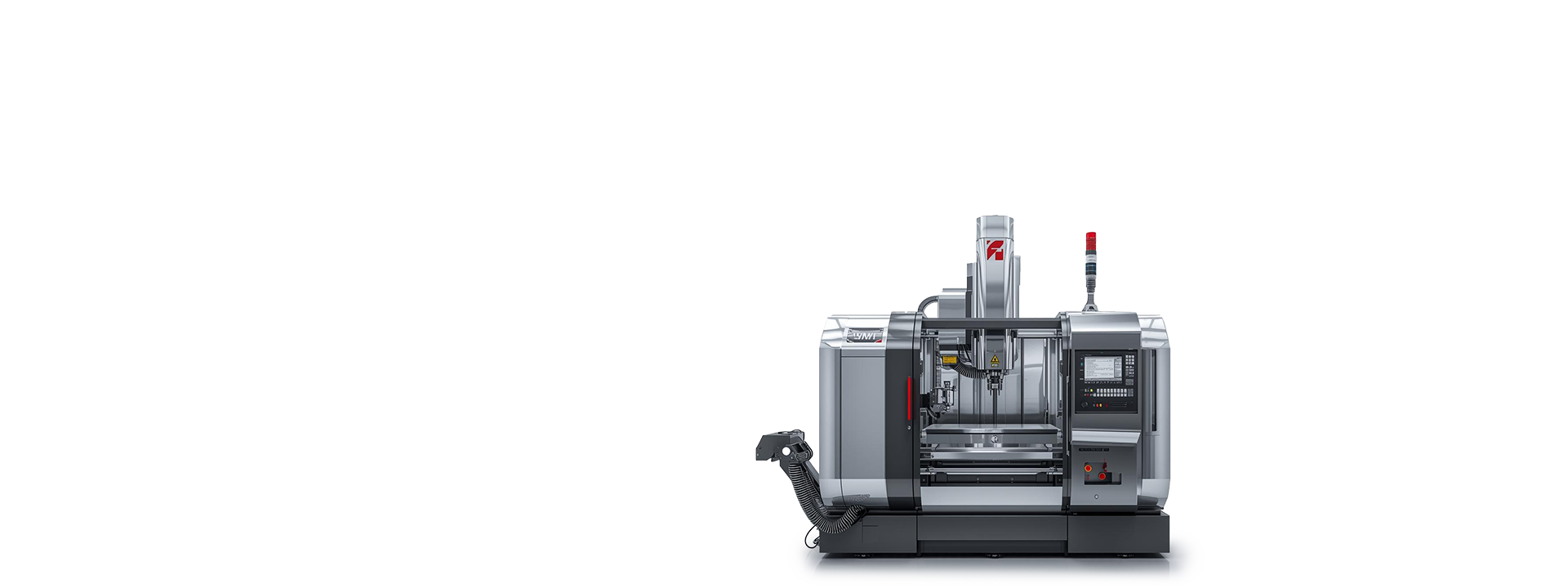
Machine finance refers to the financing solutions specifically tailored for purchasing, leasing, or renting industrial machinery and equipment.
This type of finance enables businesses to acquire essential machinery without depleting their capital reserves. Machinery, particularly in industries like manufacturing, agriculture, and construction, is a significant investment, often requiring thousands or millions of pounds.
Machine finance solutions allow businesses to spread out the cost of these large purchases over a longer period, making it more manageable. This approach is especially useful for SMEs that may not have immediate capital available to make large up-front purchases. Machine finance covers a broad spectrum of machinery, from heavy-duty manufacturing equipment to smaller, specialised tools essential for daily operations.
What Types of Machine Finance Are Available?
When considering machine finance, there are several options businesses can explore.
Each type of financing has its benefits and is suited to different circumstances depending on cash flow, tax planning, and long-term equipment needs. Here are some of the most common forms:
- Hire Purchase: Hire purchases allow businesses to pay for machinery in instalments over a set period. At the end of the agreement, the business owns the machinery outright.
- Finance Leasing: Similar to hire purchase, finance leasing lets businesses use machinery while making monthly payments. However, ownership remains with the finance company until the end of the lease, with an option to purchase at a reduced rate.
- Operating Lease: Businesses can lease machinery for a set term without taking ownership at the end. The finance provider maintains ownership, and the business returns the machinery at the end of the operating lease period.
- Asset Refinancing: Within an asset refinance, if a business owns machinery outright, it can raise capital by refinancing the equipment and using the asset as security for a loan.
- Equipment Loan: An equipment loan is a more traditional loan structure where businesses borrow a lump sum specifically to purchase machinery. The equipment serves as collateral for the loan.
These diverse financing options allow businesses to select the one that best aligns with their cash flow, equipment life expectancy, and tax considerations.
How Does Machine Finance Differ from Other Asset Finance?
Machine finance is a subset of asset finance, but it comes with certain unique characteristics.
While asset finance can cover a wide range of tangible and intangible assets—such as vehicles, technology, and intellectual property—machine finance is dedicated to the acquisition of machinery and equipment. Here are some key differences:
- Specialisation: Machine finance is specifically tailored to equipment and machinery, which often involves higher capital costs and longer lifespans than other assets.
- Valuation: The depreciation of machinery differs from other assets like vehicles or technology, impacting the finance terms and conditions.
- Flexibility: Some machine finance agreements, especially in leasing, may include maintenance and servicing as part of the deal, something that is less common in other forms of asset finance.
- Loan Structure: Machine finance loans might have longer repayment periods compared to other asset financing solutions due to the high value and longevity of machinery.
What Are the Eligibility Criteria for Machine Finance?
To qualify for machine finance, businesses must meet certain eligibility requirements, which typically include:
- Financial History: Lenders will assess the financial health of the business, looking at its accounts, cash flow, and profitability.
- Credit Rating: A strong credit rating can significantly improve the chances of approval and may result in better financial terms.
- Purpose and Use of Machinery: Lenders often want to understand how the machinery will contribute to the business’s operations and whether it will increase productivity or revenue.
- Security or Collateral: Lenders may require additional security, such as a charge over other business assets or personal guarantees, especially for high-value machinery.
- Business Experience: A well-established business with a proven track record will have an easier time securing machine finance compared to start-ups or businesses in financial difficulty.
How Does Credit Rating Affect Machine Finance Options?
A business's credit rating plays a crucial role in determining the financing options available.
Here are 3 ways how it impacts the process:
- Interest Rates: Businesses with strong credit scores are more likely to be offered lower interest rates, which can make a substantial difference in the overall cost of financing.
- Approval Process: Lenders are more willing to offer larger amounts and more favourable terms to businesses with higher credit scores. Conversely, poor credit may result in higher rates, more restrictive terms, or even rejection.
- Deposit Requirements: For businesses with lower credit scores, lenders might require a larger deposit upfront to mitigate their risk.
Therefore, businesses should focus on improving their credit score by reducing debt, paying invoices on time, and maintaining accurate financial records to secure more favourable terms.
What Are the Advantages of Leasing vs Buying Machinery?
Leasing and buying are the two main options when acquiring machinery. Each comes with its advantages, depending on the business's financial situation and long-term goals. Here is a comparison of the key benefits:
| Factor | Leasing | Buying |
|---|---|---|
|
Capital Outlay |
Low initial cost, as payments are spread over the lease term. |
High upfront cost, but no ongoing payments after purchase. |
|
Ownership |
The business does not own the machinery unless it opts to buy at the end of the lease. |
The business owns the machinery outright after purchase. |
|
Tax Benefits |
Lease payments are often fully tax-deductible as an operating expense. |
Machinery depreciation can be claimed as a tax deduction. |
|
Flexibility |
Easy to upgrade to new equipment at the end of the lease. |
Once purchased, upgrading machinery requires a new capital investment. |
|
Maintenance |
Some lease agreements include maintenance, reducing the burden on the business. |
The business is fully responsible for maintenance costs. |
Leasing provides flexibility and conserves cash flow, while buying offers long-term ownership and potential tax benefits related to depreciation.
How Do Interest Rates and Loan Terms Affect Machine Finance?
Interest rates and loan terms are critical factors that determine the affordability and total cost of machine finance.
Here’s how they impact financing:
- Interest Rates: Higher interest rates increase the overall cost of financing, leading to higher monthly payments and total repayment amounts. Fixed-rate loans provide stability, while variable rates may fluctuate over time, affecting budgeting.
- Loan Terms: Shorter loan terms reduce the total interest paid but require higher monthly payments. Longer terms lower monthly payments but increase the total interest cost over time.
Businesses should carefully consider these factors when choosing a financing solution to ensure it fits within their cash flow capabilities and long-term financial plans.
How Does the Condition and Age of Machinery Influence Financing?
The condition and age of the machinery play an important role in the financing terms and options available. New machinery typically offers:
- Favourable Financing Terms: Lenders are more likely to offer lower interest rates and longer loan terms for new equipment due to its longer expected lifespan and higher resale value.
- Warranty Coverage: New machinery usually comes with warranties, reducing the risk for lenders and businesses alike.
For used machinery, the following factors come into play:
- Shorter Loan Terms: Lenders may offer shorter financing terms for used machinery due to its reduced lifespan.
- Higher Interest Rates: Older equipment may come with higher interest rates as it represents a higher risk for lenders.
Therefore, businesses should weigh the upfront savings of buying used machinery against the potential for higher financing costs and shorter loan terms.
How Can Businesses Select the Best Machine Finance Option?
Selecting the right machine finance option involves several considerations. Here are steps businesses can take to make the best choice:
- Assess Financial Needs: Evaluate whether the business can afford the monthly payments and whether owning the machinery outright is essential.
- Consider Cash Flow: Lease agreements may offer more manageable monthly payments compared to loans, which require a large initial outlay.
- Evaluate Tax Implications: Consult with a tax advisor to understand how each finance option affects tax liabilities.
- Compare Lenders: Different lenders offer varying terms, interest rates, and flexibility. Shopping around can help secure the best deal.
- Forecast Equipment Lifespan: Consider whether the machinery will become obsolete or need upgrading in the near future. Leasing may provide more flexibility in this scenario.
What Are the Tax Benefits of Machine Finance?
Machine finance offers various tax advantages that businesses can leverage. The primary benefits include:
- Capital Allowances: When buying machinery outright, businesses can claim capital allowances, reducing taxable profits.
- Lease Payments: For leased machinery, businesses can often deduct lease payments as operating expenses, thus lowering their taxable income.
- VAT Reclaim: For VAT-registered businesses, the VAT paid on machinery purchases can often be reclaimed, making it a cost-effective option for buying.
Understanding these tax benefits is essential for businesses looking to maximise their return on investment in machinery.
How Does Depreciation Affect Machine Finance Costs?
Depreciation is a key factor in machine finance, especially when purchasing machinery.
Here's how it affects the overall costs:
- Reduced Value Over Time: Machinery typically loses value as it ages, which impacts its resale value and the overall cost-effectiveness of purchasing.
- Depreciation Deduction: Businesses can claim depreciation as a tax deduction, reducing taxable income over the machinery's useful life.
While depreciation reduces the asset's value, it can provide tax relief that offsets some of the purchase cost.
What Challenges Arise in Securing Machine Finance?
Several challenges can arise during the process of securing machine finance, such as:
- High Upfront Costs: Some finance options, particularly loans, require a substantial deposit, which can strain a business’s cash flow.
- Complex Application Process: The process of applying for machine finance can be complicated, requiring detailed financial documentation and business plans.
- Risk Assessment: Lenders may view machinery finance as high risk, particularly for new businesses, leading to higher interest rates or denial of financing.
- Market Fluctuations: Changes in market demand and economic conditions can affect both the availability and cost of machine finance options.
How Can Businesses Improve Their Chances of Approval for Machine Finance?
To increase the likelihood of securing machine finance, businesses should consider the following strategies:
- Improve Credit Score: Maintaining a healthy credit rating is essential for accessing better finance options.
- Prepare a Strong Business Case: Clearly demonstrate how the machinery will benefit the business in terms of productivity and revenue growth.
- Maintain Healthy Cash Flow: Lenders prefer businesses with strong and steady cash flow, as it signals financial stability.
- Consider Collateral: Offering collateral or personal guarantees can improve approval chances.
What Are the Trends in Financing Advanced and Automated Machines?
As industries move towards automation and digitalisation, financing options for advanced machinery are evolving. Key trends include:
- Leasing for Automation: Leasing is becoming more popular for acquiring advanced machines, allowing businesses to stay up-to-date with technology without significant capital outlay.
- Flexible Financing: Lenders are offering more flexible terms for financing smart and automated machinery, understanding the high initial costs and long-term benefits.
- Government Incentives: Governments, especially in the UK, are offering incentives for businesses investing in advanced machinery as part of digital transformation initiatives.
Key takeaways
What is the Future Outlook for Machine Finance?
Looking forward, the future of machine finance is promising, with several key trends shaping its trajectory:
- Green Financing: As sustainability becomes a priority, more businesses are seeking finance for eco-friendly machinery, with lenders offering tailored solutions.
- Integration of AI: With the rise of AI-driven machinery, financing models will adapt to the higher costs and increased productivity potential of these machines.
- Easier Access to Finance: Advances in fintech are making machine finance more accessible through digital platforms that streamline the application process.
Bottom Line
Machine finance is essential for businesses looking to acquire critical machinery without depleting capital reserves.
By understanding the available types of finance, eligibility criteria, and factors like interest rates and depreciation, businesses can select the most appropriate financing option for their needs. As technology advances, the landscape of machine finance will continue to evolve, offering businesses more flexibility and opportunities to drive growth and innovation.
